Published by Michael Scarano on Oct 3, 2025 10:36:25 AM
Vacuum cleaners are some of the most frequently used appliances in the home, but many consumers aren’t sure how long they’re supposed to last. Some systems appear to wear out in just a few years, while others remain reliable for decades. So, how do you know when it’s time to repair, replace, or finally upgrade?
This article answers that common question by breaking down the average vacuum lifespan, identifying warning signs, and highlighting why investing in a system built to last, like a Kirby, often proves more cost-effective and dependable in the long run.
The Question Every Homeowner Asks.
Understanding the Average Vacuum Lifespan
Most upright or canister vacuums typically last between five and eight years, depending on usage and the quality of the build. However, that average is influenced by a growing market of lightweight, budget-focused models that prioritize convenience over durability.
Why Durability Varies Between Brands and Models
Many mass-market vacuums are made with plastic housings and lower-grade internal components. These systems are designed for short-term use, often with limited serviceability. In contrast, vacuums built with metal components and replaceable parts can last significantly longer, especially with regular maintenance.
How Long Should a Vacuum Last With Regular Use?
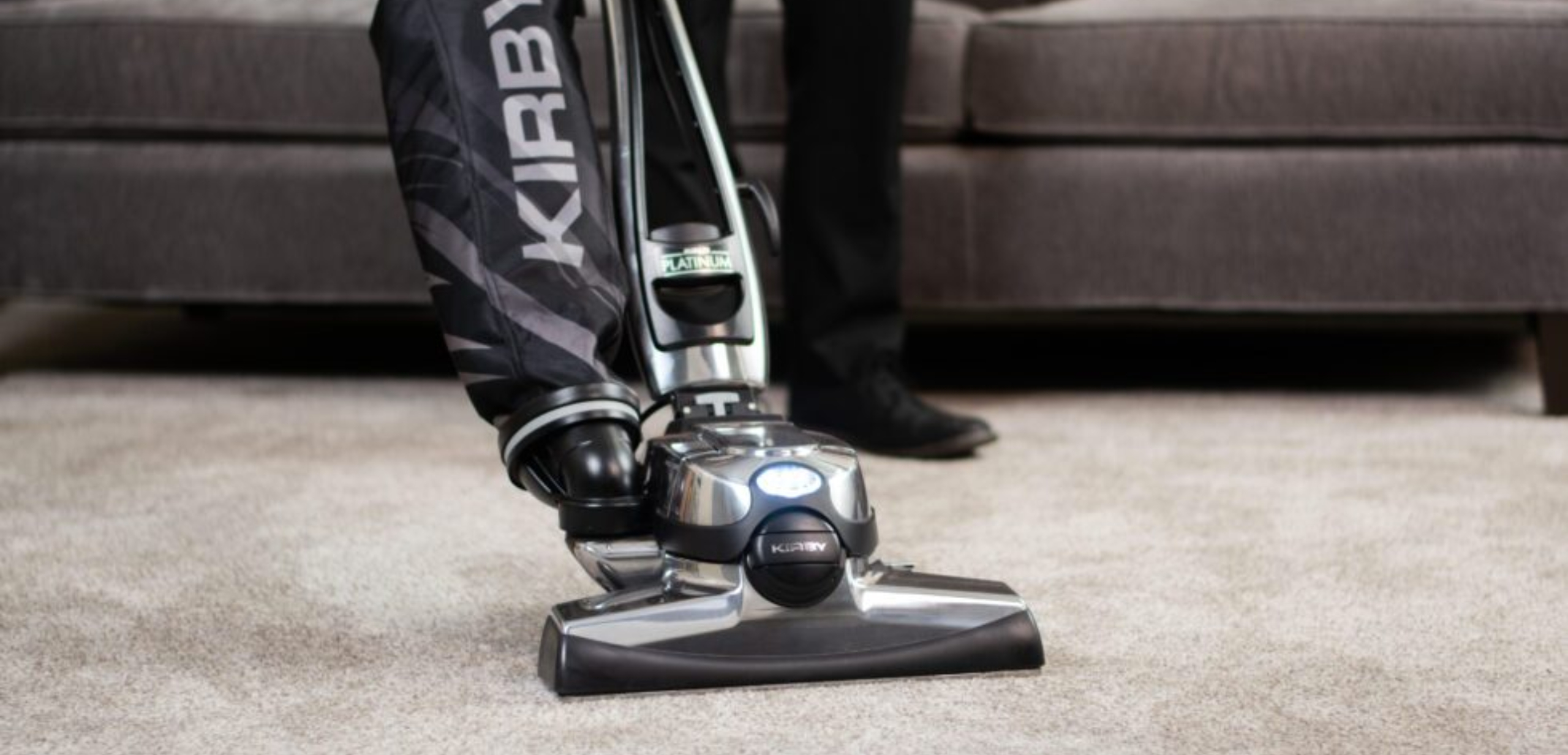
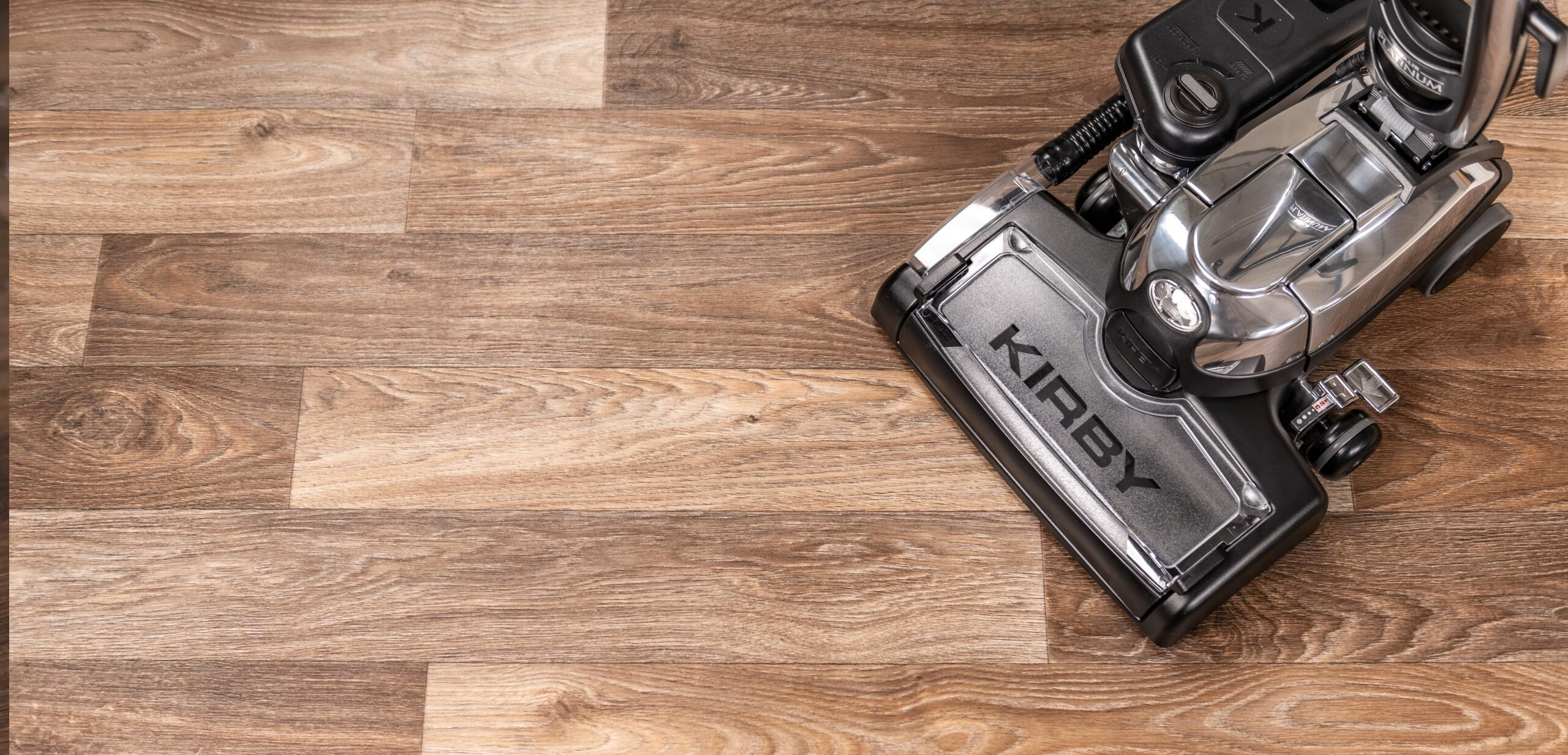
With routine care, a well-made vacuum should remain effective for well over a decade. Systems like Kirby’s, designed for long-term use, can often exceed 15 to 20 years, especially when supported by professional service and access to replacement parts.
If you need assistance with deep dry cleaning or intense wash of any fabric or upholstery, please contact us at +356 7711 3050. Visit our online shop at www.bufferboys.com or email us at [email protected].